What to know about pavement permit rules for South Kensington floral stalls
Posted on 02/10/2026
If you are setting up a floral stall in South Kensington, the pavement is part opportunity, part obstacle course. You have foot traffic, visibility, and impulse buyers on your side. But you also have to deal with the rules that govern how much space you can use, where you can stand, what you can display, and how you keep the street safe and accessible. That is the heart of What to know about pavement permit rules for South Kensington floral stalls: not just what is allowed, but how to run a stall that fits the street, the season, and the expectations around you.
Truth be told, a lot of stall problems start with one simple assumption: "I'll just keep it tidy and it will be fine." Sometimes it is fine. Sometimes it is not. The difference is usually paperwork, positioning, and a bit of planning. This guide breaks down the practical side of pavement permits in plain English, so you can make sensible decisions without getting lost in jargon.
We will look at why these rules matter, how the permit process usually works, who needs to think about them, and what good practice looks like in the real world. You will also find a checklist, a comparison table, and FAQs for the questions people actually ask when they are trying to get a stall running without headaches.
- Why the rules matter in South Kensington
- How pavement permit rules usually work
- Key benefits and practical advantages
- Who needs this and when it makes sense
- Step-by-step guidance
- Expert tips for better results
- Common mistakes to avoid
- Tools, resources and recommendations
- Law, compliance, standards, or best practice
- Options, methods, or comparison table
- Case study or real-world example
- Practical checklist
- Conclusion
- Frequently asked questions

Why What to know about pavement permit rules for South Kensington floral stalls Matters
South Kensington is not a blank canvas. It is a busy, high-footfall part of London where pavements need to work for everyone: shoppers, commuters, families, visitors, wheelchair users, delivery drivers, and the people who live and trade there. A floral stall that blocks too much space or sits awkwardly at a corner can cause more than a minor nuisance. It can create pinch points, frustration, and, in some cases, a compliance issue.
That is why pavement permit rules matter. They help balance commercial activity with public access. If you are selling flowers on the pavement, you are not just placing buckets and displays wherever they fit. You are using a shared public space. That means the council, local highways rules, and street management expectations may all come into play. Let's face it, flowers are lovely; a tripping hazard is not.
There is also the reputation side. A stall that looks orderly, well-spaced, and considerate tends to feel more trustworthy. In a neighbourhood like South Kensington, presentation matters. A neat display of seasonal blooms by the pavement can look charming and inviting. A cramped, over-spilling setup can look messy fast, especially on a wet morning when pedestrians are already dodging umbrellas.
Permits also protect you. If your stall is properly approved, you have more confidence about where you can stand, how long you can operate, and what conditions you need to meet. That can reduce stress and prevent awkward conversations with enforcement officers or nearby businesses. Not glamorous, I know. But very real.
How What to know about pavement permit rules for South Kensington floral stalls Works
Pavement permissions for floral stalls are usually about managing street trading activity and safeguarding public access. The exact route depends on the street, the location, and the local authority's policies. In practical terms, you should expect some combination of approval to trade, conditions on how much pavement you can use, and requirements about safety, waste, and operating hours.
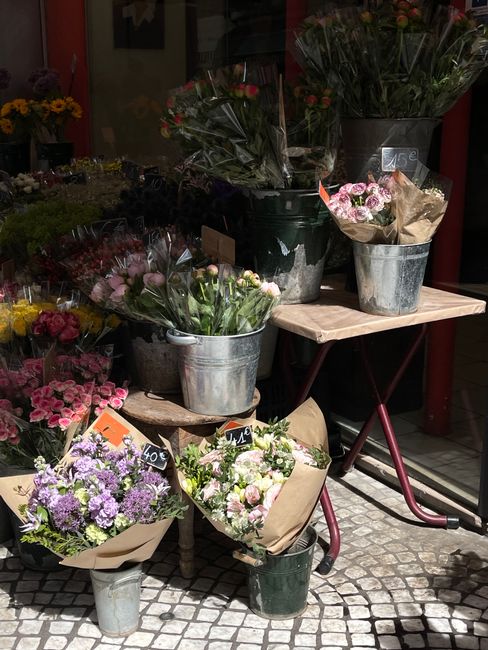
For a floral stall, the most common issues are simple but important: how wide the walkway remains, whether the display sits clear of sightlines, how weather and wind affect the setup, and whether the stall stays tidy throughout the day. Flowers seem soft and harmless, but buckets, stands, signage boards, and packaging can quickly become clutter.
In many real-world cases, the process starts with identifying whether the pavement in question is suitable for trading at all. Some locations are constrained by heavy pedestrian flow, bus stops, access points, building entrances, or local restrictions. Then comes the application or permission stage, followed by any conditions attached to the approval. You may be asked to show a layout, operating plan, insurance details, and evidence that you can keep access clear.
A useful way to think about it is this: the permit is not just permission to sell. It is permission to occupy a carefully limited slice of public space in a way that does not interfere with the street's wider function.
When you are setting up, the details matter more than people expect. A bouquet bucket nudged half a metre too far can be the difference between a pleasant pass-by and someone having to step into the road. That is the sort of thing authorities look for. And pedestrians notice it too.
Key Benefits and Practical Advantages
Getting the pavement permit side right brings a few clear advantages. Some are obvious, others only become obvious after you have had to deal with a problem the hard way.
- Safer customer flow: A permitted, well-designed stall helps keep the pavement clear and reduces the risk of collisions or blocked movement.
- Better trading consistency: You know where you stand, literally. That helps with setup, staffing, and stock planning.
- Stronger local credibility: A compliant stall often looks and feels more professional to customers and neighbouring businesses.
- Less enforcement risk: Having the right permission and following the conditions lowers the chance of warnings or disruption.
- More efficient use of space: Good layout makes a small pitch feel calmer and more attractive, which matters when the pavement is busy.
There is a commercial benefit too. Floral stalls are often impulsive purchases. People buy because the display catches their eye as they pass. If your stall is tidy, balanced, and easy to browse, it is easier for customers to stop without feeling crowded. That small comfort can make a real difference to sales. Not always. But often enough to care.
Another practical advantage is resilience. Weather shifts quickly in London. A stall that already respects space limits and has a thoughtful layout tends to cope better when people bunch up under umbrellas or the street suddenly gets busier after a nearby event. You can adjust without turning the pavement into chaos.
Who This Is For and When It Makes Sense
This topic matters if you are any of the following:
- a florist planning a pavement-facing sales point in South Kensington
- a market trader who wants to add flowers to an existing pitch
- a shop owner placing floral displays outside the premises
- a pop-up operator testing local demand
- an event organiser considering temporary floral trade near the street
It also matters if you are buying or leasing a business that already uses the pavement. The permission may not transfer automatically, and the conditions may not be what you assume. That is one of those details people only discover when they are already mid-setup, which is a bit late really.
This is especially relevant in South Kensington because the area combines residential streets, retail activity, visitor footfall, and high-end visual expectations. A floral stall can work beautifully here. It just needs to be done with care. If your stall relies on browsing, quick transactions, or seasonal demand, pavement trading can be a strong fit. If you need large-scale storage or a very wide display, it may be harder to make the layout compliant.
It makes sense when:
- the location has enough clear pavement width
- your displays can stay tidy and stable
- you can manage waste, water, and packaging cleanly
- you are prepared to follow operating conditions day by day
If your setup involves larger deliveries, wedding orders, or regular fulfilment beyond the street itself, you may also want to think about your wider business operations. Pages like flower delivery in South Kensington and florist services in South Kensington can sit alongside a physical stall model quite naturally. The mix of walk-up trade and local delivery is often where a small floral business becomes more stable.
Step-by-Step Guidance
If you are trying to work out what to do next, here is a practical path. Not glamorous. Useful.
- Check the exact location. Not every pavement or frontage is treated the same way. Corners, narrow pavements, busier routes, and entrances need extra care.
- Assess whether the stall can fit without obstruction. Think in terms of walking space, turning space, and sightlines, not just whether the stand physically fits.
- Clarify the permission route. The relevant authority or property arrangement may require a permit, a licence, or a specific trading arrangement.
- Prepare a simple layout plan. Show where buckets, signs, packaging, and any queueing space will go.
- Gather documents early. Insurance, identity, business details, and any supporting information are usually easier to sort before you apply.
- Plan for daily compliance. The initial approval is only the start. You need a routine for keeping the pitch safe and tidy.
- Review after setup. Once the stall is live, look at what actually happens at busy times. You may need to adjust placement, stock volume, or signage.
A useful habit is to walk the pitch at the times you expect to trade. Early morning feels different from lunchtime. A sunny Friday feels different from a drizzly Tuesday, and South Kensington can change character quickly with school runs, commuters, and visitors all moving through the same space. Tiny detail, big effect.
If you already handle sensitive orders such as weddings or sympathy arrangements, your display strategy matters even more. Linking the stall to other product lines, such as wedding flowers or funeral flowers, can help you think about stock levels and presentation across different customer needs.
Expert Tips for Better Results
Here is the bit that tends to save people time. Little things, mostly.
Keep the display visually open
Dense, wall-to-wall flowers can look lush, but they can also make a small stall feel chaotic. Leave enough visual breathing room so people can scan the display quickly. Customers should be able to see what you are selling without having to lean into the pavement like they are peering into a tube carriage.
Build for wind, water, and foot traffic
Flowers are delicate, but a stall setup cannot be delicate. Use stable containers, secure signage, and a layout that stays put when pedestrians brush past or a gust catches the edge of a board. Wet pavement matters too. Buckets and puddles are a bad combination.
Think like a passer-by
Stand where the customer stands. Can they approach without squeezing? Can they move away easily with a bouquet in hand? Can a pram pass if it needs to? Those are the questions that shape a good stall more than any decorative flourish.
Keep waste out of the way
Flower wrap, broken stems, water drips, and damaged blooms add up quickly. If your waste system is invisible to customers, you are already ahead. Small bins or discreet back-of-stall storage can make the site feel far cleaner than it really is. Sounds odd, but it works.
Match stock to the local rhythm
South Kensington buyers may respond well to seasonal, elegant, and gift-ready displays. That does not mean every bouquet has to be expensive. It does mean your pitch should feel curated rather than piled high. A few carefully chosen lines often sell better than a crowded everything-at-once approach.
And one more thing: document your setup. A few photos of your compliant layout can help if you need to show how the pitch is run or train someone new. Simple habit, real value.
Common Mistakes to Avoid
Most permit problems are not dramatic. They are ordinary mistakes repeated on a busy day.
- Assuming the pavement is available because it looks open. Open-looking does not mean approved.
- Using too much frontage. A stall that spreads out over time usually ends up causing friction.
- Ignoring pedestrian flow. What looks fine at 8 a.m. may be a bottleneck by midday.
- Forgetting that signs count too. It is not only the buckets. Boards and A-frames can create problems as well.
- Letting water spill across the walking area. This is one of those tiny details that can become a big complaint.
- Failing to keep the pitch tidy throughout the day. A stall can start well and still drift into non-compliance by afternoon.
- Not checking whether conditions changed. Seasonal events, roadworks, or local adjustments can change what is workable.
There is also the human mistake of making the stall look like an afterthought. When a pitch feels thrown together, people treat it that way. If you want the flowers to feel premium, the space needs to feel intentional. Even a modest stall can do that. In fact, the modest ones often have the better discipline.
Tools, Resources and Recommendations
You do not need a complicated toolkit, but a few practical items make pavement trading much easier.
- Tape measure: Helps you plan a realistic footprint before you set up.
- Simple site sketch: Useful for applications and for training staff.
- Stable buckets and weights: Important in windy conditions and on uneven paving.
- Non-slip mats or drip management: Helps keep the area cleaner and safer.
- Weather protection: A sensible canopy or cover, if permitted, can help protect stock.
- Stock rotation notes: Useful for freshness, especially with mixed bouquet lines.
For business owners managing wider operations, it can help to keep your payment and ordering systems tidy too. If customers want to order ahead, pages such as same-day flower delivery and next-day flower delivery can support the store side of the business without depending entirely on walk-up trade.
It is also worth paying attention to product pages that help you plan a balanced range. A stall with seasonal choice, mixed colours, and clear price points often converts better than one that relies on guesswork. If your local customer base likes easy gifting, the appeal is obvious. One glance, one choice, done.
Law, Compliance, Standards, or Best Practice
Because pavement trading touches public space, compliance matters. The exact legal route will depend on the local authority and the nature of the pitch, so you should treat this as guidance rather than a substitute for checking the current rules that apply to your site.
In practice, the following themes usually matter:
- Public access: The pavement must remain usable for pedestrians and, where relevant, mobility aids and buggies.
- Trading permission: You may need a licence, permit, or specific authorisation before occupying space.
- Safety: Displays should be stable, clear of trip hazards, and suitable for outdoor conditions.
- Housekeeping: Waste, water, and damaged stock should be managed so they do not affect the public realm.
- Neighbour relations: Nearby businesses and residents are often affected by noise, clutter, and obstruction more than people expect.
There is also a best-practice dimension beyond the minimum legal position. A compliant stall is one thing. A considerate stall is better. That means avoiding unnecessary congestion, keeping entrances clear, and handling deliveries in a way that does not interrupt the street at busy times.
If your business uses broader customer service policies, you may also want to keep your public-facing terms in order. Pages such as terms and conditions, delivery information, and returns and refund guidance can support transparency when customers buy from you in person and online. That does not replace permit compliance, of course, but it does help build trust.
One practical point that gets overlooked: if your stall is linked to a wider business identity, then consistency matters. A neat offline pitch, clear product descriptions, and straightforward payment handling all reinforce each other. No magic. Just good operations.
Options, Methods, or Comparison Table
Not every floral trading setup works the same way. Here is a simple comparison of common approaches.
| Approach | Best for | Strengths | Watch-outs |
|---|---|---|---|
| Pavement stall with permit | High footfall, impulse buyers, visible local trade | Strong visibility, easy customer access, local presence | Needs careful space management and ongoing compliance |
| Shopfront display | Businesses with retail premises | More control, less exposure to street disruption | Lower spontaneity, may reach fewer passers-by |
| Delivery-led model | Businesses focused on pre-orders and gifting | Flexible, scalable, less dependent on pavement space | Less walk-in impulse trade, stronger logistics needed |
| Hybrid model | Businesses wanting both street visibility and online orders | Balanced revenue streams, better local brand presence | More operational complexity |
For many South Kensington florists, the hybrid model is the sweet spot. You can use the pavement presence to attract attention while relying on delivery and pre-orders to smooth out quieter periods. It is not always easy. But it is often the most practical setup.
Case Study or Real-World Example
Picture a small floral business near South Kensington that wants to trade from a pavement-facing position on Fridays and Saturdays. The owner starts with a charming idea: a few buckets of tulips, some wrapped bouquets, and a simple chalkboard sign. Nice idea. But the first layout test shows the display would narrow the walkway too much once people stop to browse.
Instead of pushing ahead, the owner rethinks the setup. They reduce the frontage, move the sign closer to the stall edge, and keep the water containers tucked behind the display. They also separate the "grab and go" bouquets from the fuller custom orders so people do not crowd one area. The result is quieter movement, less confusion, and a better-looking pitch overall.
What changed? Not the flowers. The discipline.
Over time, the owner notices that customers engage more when the stall feels calm. People pause, look, and buy without pressure. Nearby pedestrians keep moving. The stall looks as though it belongs there, which is exactly what a good pavement setup should do. No drama, no shouting, no awkward shuffling around a blocked pavement. Just a tidy street business doing its job.
That kind of adjustment is common. The first idea is often not the final one. And that is fine. In our experience, the best stalls are rarely the most elaborate; they are the ones that respect the space and make the buying experience easy.
Practical Checklist
Use this checklist before you open, and again whenever the layout changes.
- Confirm the exact trading location and frontage you plan to use
- Check whether permission, a permit, or another authorisation is needed
- Measure the stall footprint and leave enough clear walkway space
- Make sure displays are stable and suitable for outdoor conditions
- Keep signs, buckets, and packaging inside the approved area
- Plan how you will handle water, waste, and damaged stock
- Review pedestrian flow at different times of day
- Keep insurance and business documents to hand
- Train staff on the approved layout and do not let it drift
- Re-check the setup after rain, wind, or any local changes
If you can tick these off without hesitation, you are in a much better place. And if a few items need work, that is normal too. Better to adjust before opening than after somebody has already complained or tripped over a rogue bucket, which is the kind of story nobody wants to tell.
Get a free quote today and see how much you can save.
Conclusion
Getting to grips with pavement permit rules for South Kensington floral stalls is less about red tape for its own sake and more about setting up a stall that works in the real world. When you understand the space, the permission route, the operating conditions, and the day-to-day standards expected on a busy London pavement, you give your business a much better chance of running smoothly.
The best setups are the ones that feel effortless to customers because so much care has gone into them behind the scenes. A clear path, a tidy display, stable stock, and a sensible operating routine can make all the difference. And once those basics are in place, the flowers can do the rest.
Take it step by step, keep the pitch respectful of the pavement, and remember that a good floral stall should brighten the street, not crowd it. That balance is very doable. Honestly, it is what makes the whole thing work.
Frequently Asked Questions
Do I need a permit to sell flowers on the pavement in South Kensington?
In many cases, yes, you may need some form of permission before using pavement space for trading. The exact requirement depends on the location, the local authority's rules, and how the stall is operated. It is best to check before you set up rather than assume a small display is automatically fine.
What counts as a pavement stall rather than just a display?
If your flowers, stands, signs, or packaging are placed on the public pavement in a way that supports active sales, it is usually treated as trading activity rather than simple decoration. A neat display outside a shop can still fall under permit rules if it occupies public space.
How much pavement space is usually allowed?
There is no single universal answer. The space allowed depends on the site, pedestrian flow, access needs, and local conditions. The important point is that enough clear width must remain for safe, comfortable passage. If in doubt, measure carefully and plan conservatively.
Can I put A-board signs outside my floral stall?
Sometimes yes, sometimes no. Signage can create obstruction even when the rest of the display is tidy. If signage is permitted, it usually still needs to stay within the approved area and not block the walkway or sightlines.
What happens if I trade without the right permission?
You may face warnings, removal requests, enforcement action, or difficulty keeping the stall in place. The exact outcome depends on the circumstances, but the risk is not worth ignoring. It is much easier to start with the correct permission than to fix a problem mid-trade.
Are floral stalls in South Kensington treated differently from other street traders?
The basic principles are usually similar, but flowers can raise specific issues around water, waste, display stability, and visual presentation. In a busy area like South Kensington, those details matter because they affect both public access and the overall street environment.
Do I need insurance for a pavement floral stall?
It is usually sensible, and in many trading setups it may be expected or required. Public liability cover is the most commonly discussed type in this context. Check the specific terms of your permission and business setup.
Can I change my stall layout after I get permission?
Small practical adjustments may be fine, but anything that affects the approved footprint, pedestrian flow, or safety conditions should be reviewed carefully. If you change the layout significantly, you may need to seek approval again or update the permission holder.
What is the biggest mistake new floral stall operators make?
The most common mistake is underestimating how quickly a nice-looking setup can become a nuisance if it spills beyond the permitted area. People often focus on the flowers and forget the practicalities: width, water, waste, and movement. Those are the things that usually decide whether the stall works.
Is a hybrid model better than relying only on pavement sales?
Often, yes. A mix of pavement presence and delivery can make the business more resilient. The stall brings visibility and impulse sales, while delivery helps smooth demand and broadens the customer base. That said, the right model depends on your location and capacity.
How often should I review my stall compliance?
Regularly. A quick review before opening, after busy periods, and whenever the weather or street conditions change is a good habit. In practice, small daily checks help prevent bigger issues later on.
Where should I start if I want to open a floral stall in South Kensington?
Start with the exact location, then confirm the permission route, measure the available space, and prepare a simple, tidy layout. Once those basics are clear, you can build the stall around them instead of trying to squeeze the rules around your idea. That usually ends better.