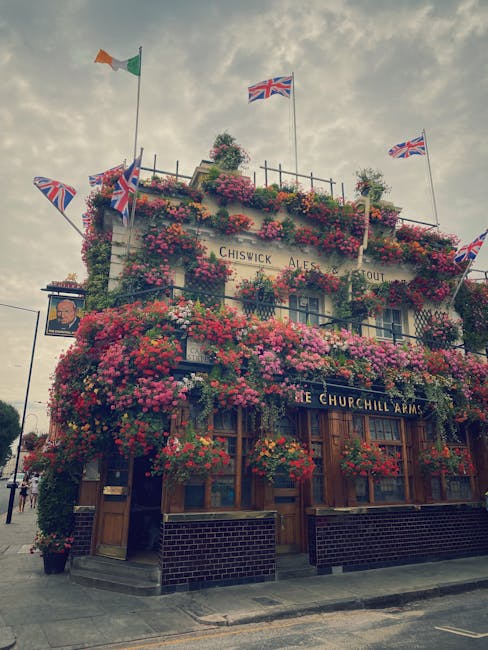
Posted on 26/10/2026
Kensington and Chelsea council rules for flower displays: a practical guide for residents, businesses and event organisers
If you are planning a flower display in Kensington and Chelsea, the details matter more than people expect. A pretty window box, a pavement planter, a shopfront arrangement or a seasonal display can look effortless from the street, but it often sits close to boundaries, access routes and local expectations. That is where the Kensington and Chelsea council rules for flower displays come in. In plain English, these rules and common-sense standards help you avoid nuisance, keep public spaces safe, and make sure your flowers enhance the area rather than causing a headache.
Truth be told, most problems are avoidable. A container that blocks a footway, spills soil after rain, or hides sightlines at a junction can quickly become an issue. On the other hand, a well-managed display can look elegant all season and make a real difference to the feel of a street. This guide explains how the rules generally work, what to check before you set anything out, and how to keep your display tidy, compliant and genuinely attractive.
We will also cover practical examples, common mistakes, and a simple checklist you can use before you place a single pot. If you are a homeowner, a cafe owner, a florist, a venue manager or someone preparing for a wedding or event, this should help you plan with more confidence.
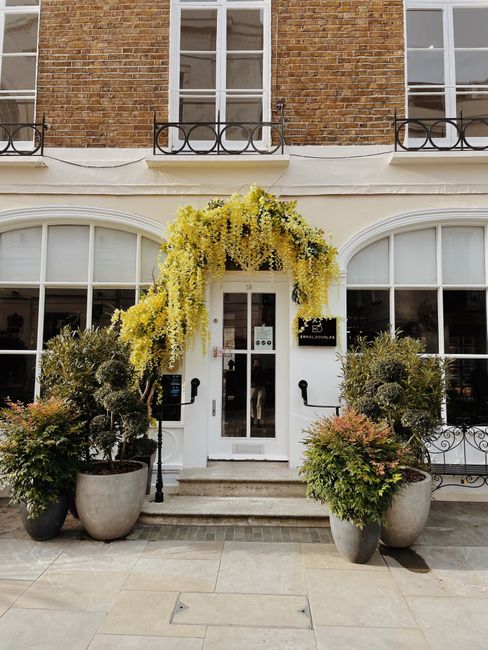
Table of Contents
- Why Kensington and Chelsea council rules for flower displays matters
- How Kensington and Chelsea council rules for flower displays works
- Key benefits and practical advantages
- Who this is for and when it makes sense
- Step-by-step guidance
- Expert tips for better results
- Common mistakes to avoid
- Tools, resources and recommendations
- Law, compliance, standards, or best practice
- Options, methods, or comparison table
- Case study or real-world example
- Practical checklist
- Conclusion
- Frequently asked questions
Why Kensington and Chelsea council rules for flower displays Matters
Flower displays are often seen as harmless decoration, but in a busy London borough they interact with public space, access, waste management and neighbour relations. Kensington and Chelsea has a particular character: narrow pavements in some streets, high footfall in others, conservation areas in places, and a general expectation that frontages look cared for. That combination makes tidy, safe displays a good idea rather than just a nice extra.
The council's approach, alongside wider UK street and property management expectations, is usually about balance. You can enjoy the visual lift of flowers without creating trip hazards, obstructing pedestrians, blocking bins, interfering with emergency access or damaging the public realm. Let's face it, a row of overwatered planters that creep across the pavement on a wet morning is not charming for long.
There is also a reputational angle. For businesses, displays speak to attention to detail. For private homes, they contribute to the street scene. For events, they can either elevate the occasion or create complaints if they are placed carelessly. In a borough where people notice the details, the small things really do show.
Expert summary: the safest way to think about flower displays in Kensington and Chelsea is not "How much can I fit in?" but "How can I create something attractive that keeps people moving safely and respects the setting?" That mindset tends to prevent most issues before they start.
How Kensington and Chelsea council rules for flower displays Works
There is no single universal rulebook for every possible flower display. In practice, the rules and expectations usually come from a mix of local council requirements, property boundaries, public safety considerations, planning or highway-related restrictions, and the ordinary duty not to cause a nuisance. That sounds a bit formal, but the real-world version is simpler: if the flowers are on private property and stay there, you have more freedom; if they affect the pavement, road or shared space, the rules become stricter.
For a private frontage, the key questions are usually whether the display remains within your boundary, whether it overhangs or spills into the public path, and whether it creates a hazard. For a shopfront or cafe, the same points apply, plus questions around pedestrian flow, signage, and whether the area is meant to remain clear for customers and passers-by. For wedding or event flowers, the focus shifts to timing, temporary structures, permissions, loading, and safe set-up and removal.
A practical way to understand it is to break displays into three broad categories:
- Private-only displays: windows, internal courtyards, front gardens and balconies that stay within private boundaries and do not affect others.
- Boundary or frontage displays: window boxes, hanging baskets, planters and entrance arrangements near the pavement or shared access.
- Temporary public-facing displays: event decor, ceremonial flowers, seasonal installations or branded arrangements placed for a limited time.
Each category brings its own level of caution. A single planter by a doorway is one thing. A row of heavy pots on a narrow pavement during school-run hour is another. The difference seems obvious when you say it out loud, but people do miss it in the excitement of getting the display looking perfect.
If you are choosing flowers for a display with a public-facing purpose, it can help to think about season, size and maintenance at the same time. A fresh, compact arrangement from a local florist in South Kensington SW7 is often easier to manage than a large, sprawling design that sheds petals everywhere after one windy afternoon.
What usually makes a display acceptable
Most acceptable displays share a few traits: they stay stable, they do not obstruct movement, they are well maintained, and they suit the setting. That is the short version. The longer version is that good displays are predictable. No top-heavy pots, no dripping water, no trailing stems where people walk, and no sharp stands where children or mobility aid users might brush past.
What usually creates problems
Problems usually come from one of four places: obstruction, instability, damage, or neglect. Obstruction is the obvious one. Instability is less obvious until a gust of wind or a delivery van passing by shifts everything. Damage includes staining paving, blocking drainage, or scraping walls and railings. Neglect is the quiet one-flowers can look lovely at 9am and tired by 3pm if nobody checks them.
Key Benefits and Practical Advantages
Following the Kensington and Chelsea council rules for flower displays is not just about avoiding trouble. Done properly, it creates very real advantages, especially in a borough where presentation matters. The best displays do more than decorate a space; they shape how a place feels.
First benefit: fewer complaints. A neat, well-positioned display is less likely to annoy neighbours, passers-by or building managers. That saves time and awkward conversations. Nobody wants to become "the person with the planter issue" on the building WhatsApp group. Not ideal.
Second benefit: safer movement. Keeping walkways clear is both practical and considerate. People with pushchairs, wheelchairs, shopping bags or a bit of a hurry all need room. A good display should make the street prettier, not narrower.
Third benefit: better longevity. When flowers are placed in the right conditions, with enough support and decent watering, they last longer and look healthier. It sounds basic, but it is remarkable how many displays fail because they are lovely in concept and awkward in placement.
Fourth benefit: a stronger local image. For businesses and venues, flowers communicate care. In Kensington and Chelsea, where presentation is often part of the brand, that can quietly support customer confidence. For households, it can lift the feel of the whole frontage. Little detail, big effect.
Fifth benefit: less waste. If the display is properly planned, you are less likely to lose flowers to wind, overwatering, or accidental damage. Better planning means fewer replacements and a more sustainable result.
| Display choice | Main advantage | Main risk | Best for |
|---|---|---|---|
| Window box | Clean visual impact without taking floor space | Overhang, water runoff, fixing issues | Homes and upper-floor facades |
| Potted frontage | Flexible and easy to refresh | Can block footpaths if oversized | Entrances, courtyards, small business fronts |
| Temporary event arrangement | High visual effect for a limited time | Set-up, removal and access management | Weddings, launches, receptions |
Who This Is For and When It Makes Sense
These rules matter to more people than you might first think. If flowers are visible from the street, or if they sit near shared spaces, you should assume there is at least some local expectation to get it right.
- Homeowners and tenants who want window boxes, front garden displays or balcony plants.
- Shop owners and hospitality venues using flowers to soften a frontage or create a seasonal welcome.
- Florists and event planners installing temporary arrangements for weddings, memorials or corporate gatherings.
- Building managers and landlords responsible for common entrances, shared courtyards or managed frontages.
- Community groups creating local beautification schemes or seasonal decorations.
It especially makes sense to think carefully about the rules when your display is near a busy pavement, a narrow mews, a school route, a high-traffic shopfront, or a building with limited access. A display that looks harmless on paper can feel very different once people, prams, delivery trolleys and parked cycles are moving around it.
There is also a seasonal angle. Spring and summer displays are usually easier to maintain, but they are also more visible and more likely to be noticed by neighbours. In colder months, even a smaller arrangement can work well if it is tidy, low-maintenance and sheltered. Not everything has to be dramatic. Sometimes understated is the better move.
If you are not sure whether your display is mainly decorative or edging into a public-space issue, that is a good sign to slow down and assess it properly before installing anything permanent.
Step-by-Step Guidance
The easiest way to approach flower displays in Kensington and Chelsea is to plan them in the same sequence you would use for any small public-facing installation: location first, size second, maintenance third. Pretty is good. Safe and neat is better.
1. Check exactly where the display will sit
Start by marking the boundary. Is the arrangement fully inside private property, or does any part extend near the pavement, wall, railing or shared entrance? This matters more than style or flower choice. If there is any uncertainty, re-measure. A few centimetres can be the difference between tidy and troublesome.
2. Think about people movement
Imagine someone carrying shopping, another person with a buggy, and a delivery worker wheeling a trolley past your display. If the route still feels comfortable, you are on the right track. If not, reduce the footprint. Simple, really.
3. Choose the right container and weight
Lightweight containers are easier to move but may be less stable in wind. Heavy containers are stable but can be hard to reposition and risky if they crack or shift. For street-facing use, look for containers that are stable, weather-resistant and not likely to tip. Raised stands should be carefully tested before use.
4. Select flowers that suit the setting
Delicate blooms can be beautiful, but if the display is exposed, they may not last. A mixed arrangement with sturdier stems often performs better in real life. Consider the wind, sun and shade, and how much watering the site needs. A flowers-by-post option can work for indoor or sheltered settings, but outside you need resilience as well as style, and sometimes a flower care routine matters as much as the bouquet itself.
5. Keep watering controlled
Overwatering can create dripping water, staining and slippery areas. Underwatering makes the display fade fast. The sweet spot is routine and attention. During a warm spell, a quick morning check and another glance later in the day can save a lot of trouble. You do not need a grand system. Just consistency.
6. Inspect for hazards after setup
Once in place, walk around the display from different angles. Look for points where stems extend into the route, places where pots wobble, and surfaces where water may run. It is a two-minute check that can prevent a bigger issue later.
7. Maintain, refresh and remove on time
A display that is beautiful when installed but forgotten afterwards becomes a liability. Trim, deadhead, wipe away soil, replace tired stems and remove temporary arrangements promptly when their purpose ends. Timing matters. A fading display at the end of an event can look a bit sad, to be honest, and that can undercut the effort you put in at the start.
Expert Tips for Better Results
Over time, the strongest displays are not the most extravagant ones. They are the ones that stay composed in the real world. That means they survive wind, rain, foot traffic and the ordinary messiness of London life.
Use restraint in narrow spaces
In tight frontages, a single strong arrangement is often better than several small ones. Too many containers can make the space feel cluttered and create pinch points. One or two thoughtful pieces usually read as elegant rather than crowded.
Match the scale to the building
A grand entrance can carry a more dramatic display. A modest terrace usually cannot. The same bouquet that looks perfect on a wedding table may feel oversized at a doorway. Scale is one of those things people only notice when it is wrong.
Think in layers
A good display often combines height, texture and colour without using too many varieties. The eye needs a place to rest. You want "lovely," not "botanical wrestling match."
Choose flowers for durability, not just appearance
In exposed locations, sturdy blooms often outperform the prettiest but most fragile options. That does not mean sacrificing beauty. It means being realistic. A display that holds up for several days with less fuss is usually more valuable than one that peaks for an hour and droops by lunchtime.
Keep the ground clean
Petals, leaves, soil and bits of wrapping should be cleared away regularly. It takes only a minute or two, but it changes how the display is perceived. A clean base makes everything above it look more intentional.
Use a seasonal colour strategy
Seasonal tones can help a display feel settled into the street rather than dropped in by accident. Soft pastels for spring, stronger colours in summer, warmer tones in autumn. If you want a practical way to start, browse something like mixed colour flowers for flexibility, or choose a single palette when the setting is already visually busy.
Ask one simple question before installation
Would this still look good after three windy hours and one unexpected delivery? If the answer is yes, you are probably in good shape.
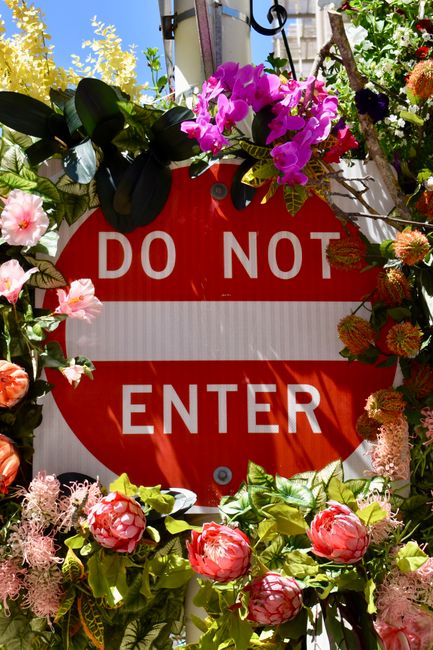
Common Mistakes to Avoid
Most flower-display issues are not dramatic. They are small, avoidable oversights. The problem is that small oversights stack up quickly.
- Blocking the pavement: even a lovely arrangement becomes a problem if pedestrians have to squeeze past it.
- Using unstable containers: top-heavy pots or weak stands can tip, especially near drafts or passing traffic.
- Ignoring water runoff: dripping water can stain surfaces and make paths slippery.
- Letting displays overgrow: flowers look softer when they are healthy, not when they are sprawling into routes.
- Forgetting maintenance: tired flowers, wilted stems and spilled compost make the whole display look neglected.
- Placing displays without checking sightlines: especially near corners, driveways or entrances.
- Assuming private property means no rules apply: if the display affects public space or neighbours, there can still be issues.
One common mistake is treating a display as static. It is not. Weather changes it, foot traffic changes it, and watering changes it. A display needs a little supervision. Nothing obsessive. Just a human glance now and then.
Another easy-to-miss problem is seasonal enthusiasm. People often overbuy flowers in the first burst of inspiration, then struggle to maintain the result. A slightly smaller display that stays fresh often beats a bigger one that starts to sag after day two. Every time.
Tools, Resources and Recommendations
You do not need a huge kit to manage flower displays properly, but a few basic tools make life easier.
- Measuring tape: useful for checking footprint and clearance near walkways.
- Watering can or controlled hose attachment: helps avoid splash and runoff.
- Gloves and secateurs: handy for tidying stems and removing damaged blooms.
- Stable containers or weighted bases: important for exposed or high-traffic areas.
- Soft brush or hand broom: useful for clearing soil and petals from paths.
- Plant labels or simple care notes: especially helpful if multiple people are maintaining the display.
For product selection, a florist with local experience can be useful because they understand how arrangements behave in real London conditions. Sometimes a shop-bought bouquet looks gorgeous indoors but is simply the wrong shape for a breezy doorway. That is where tailored advice helps. If you are sending flowers for an event, browsing options such as flower delivery in South Kensington SW7 can also help you compare styles before deciding what is practical for the setting.
If your needs are time-sensitive, look for services that match the setup window rather than just the aesthetic. For example, a same day flower delivery option may be more useful than a larger but slower order when you are preparing a last-minute event or replacing a faded display.
For larger or repeated requirements, especially in hospitality or corporate settings, it can also help to look at corporate accounts. Regular supply is often easier to manage than emergency replacements, and that is one of those small operational decisions that quietly saves time.
Law, Compliance, Standards, or Best Practice
This area is one where caution is sensible. The exact requirements for flower displays can depend on the location, the type of property, and whether anything extends into public land or affects the highway. You should not assume that because flowers are temporary they are automatically exempt from local expectations. Temporary can still count.
In practice, the main best-practice themes are fairly consistent across London:
- Do not obstruct pedestrians, cyclists or vehicles.
- Do not create slip or trip hazards.
- Do not block sightlines at junctions or driveways.
- Do not cause damage to pavements, walls, railings or shared areas.
- Do not let water, soil or debris spread into public space.
- Remove temporary displays promptly when the event is over.
Where a display is near a shopfront, venue entrance or pavement edge, it is wise to think in terms of ordinary public safety rather than just decoration. If you are renting a property or managing a commercial space, check your lease, building rules or landlord conditions as well. Those can be just as relevant as any council expectation.
For anything more complex-large installations, repeated frontage displays, or event structures near access routes-it is sensible to seek proper permission or formal guidance before proceeding. That avoids awkward backtracking later, which is never fun when flowers are already ordered and someone is waiting with a van full of roses.
Best-practice takeaway: if you can confidently say your display is tidy, stable, unobtrusive and easy to remove, you are usually in much better shape. If you cannot say that yet, refine the plan before installation.
Options, Methods, or Comparison Table
Different display methods suit different settings. The right choice depends on space, budget, maintenance time and how public the location is. Here is a simple comparison to help you choose.
| Method | Visual impact | Maintenance level | Best use case | Things to watch |
|---|---|---|---|---|
| Window box | High | Medium | Homes and upper-floor facades | Fixings, water runoff, overhang |
| Ground planter | High | Medium to high | Entrances, courtyards, terraces | Footpath obstruction, tipping risk |
| Hanging basket | Very high | Medium | Decorative frontage, seasonal colour | Weight, drainage, wind exposure |
| Temporary event arrangement | Very high | High during setup | Weddings, receptions, launches | Permissions, access, removal timing |
| Indoor floral display | High | Low to medium | Restaurants, lobbies, receptions | Spill management near entrances |
If your goal is simply to improve the look of a frontage without creating practical headaches, indoor or inward-facing displays are often the easiest route. If your goal is to be seen from the street, you will need to be a little more careful about placement and upkeep. That trade-off is normal. No need to overcomplicate it.
Case Study or Real-World Example
Imagine a small cafe near a busy Kensington street corner. The owner wants to add flowers at the entrance because the shopfront feels a bit plain, especially on grey mornings when the pavement looks damp and everything seems slightly rushed. The first idea is two large planters by the doorway and a narrow sign between them. Nice in theory. Problem is, the entrance is already tight and a delivery driver needs to pass through at lunchtime.
Instead of placing the planters out on the footway, the cafe chooses a narrower arrangement tucked just inside the threshold, with a low exterior display that stays within the frontage. The flowers are seasonal, the containers are weighted, and someone checks them each morning before opening. It sounds almost boring. That is actually a good sign.
The result is calmer, more attractive and easier to live with. Staff can sweep petals quickly. Customers still see the flowers from the street. The entrance feels welcoming without narrowing the route. No complaints. No damage. No panicked rearranging when the pavement gets busy.
That is the kind of outcome these rules are trying to support. Not to stop beauty, but to keep beauty workable.
There is a similar principle for weddings or memorials. A thoughtful floral arrangement near a church, venue entrance or reception space can look deeply moving, but only if it is planned around timing, access and removal. When that is handled well, people remember the atmosphere, not the logistics. Which is exactly as it should be.
Practical Checklist
Use this checklist before you set up any flower display in Kensington and Chelsea:
- Is the display fully within the area you control?
- Does it leave enough room for people to pass comfortably?
- Is the container stable and suitable for the weather?
- Will water drain safely without making the surface slippery?
- Could any stems, stands or accessories cause a trip or snagging risk?
- Does the display keep sightlines open near entrances, corners and driveways?
- Is the flower choice realistic for the light, wind and maintenance available?
- Have you checked whether any building, lease or venue rules apply?
- Can the display be removed quickly if needed?
- Will someone check it again later in the day?
If you can answer "yes" to most of those points, you are probably on solid ground. If not, take another look. Small adjustments now are far easier than sorting out complaints later.
Conclusion
The Kensington and Chelsea council rules for flower displays are ultimately about balance: beauty, safety and respect for shared space. If you keep that balance in mind, the whole process becomes much easier. A display does not need to be enormous to work well. It needs to be stable, tidy, well placed and maintained with a little care.
That approach works whether you are brightening a front window, dressing a business entrance, planning event flowers or simply wanting your home to feel more welcoming from the street. A thoughtful display can lift the mood of a place in a way that feels almost instant, especially on a grey London morning when the pavements glisten after rain.
If you are in doubt, start small, measure carefully and choose flowers that suit the space rather than fight it. That is the quiet secret. Simple choices often look the most polished in the end.
Get a free quote today and see how much you can save.
And if you do it with a bit of patience, the result can be lovely, really lovely, without creating any fuss at all.
Frequently Asked Questions
Do I need permission to put flower displays outside my property in Kensington and Chelsea?
It depends on where the display sits and whether it affects public space. If everything stays within your private boundary, you usually have more freedom. If it reaches the pavement, entrance route or other shared area, you should check the applicable rules first.
Can I place flower pots on the pavement outside my shop or home?
You should not assume this is automatically allowed. Pavement space is for public movement, so anything placed there needs careful consideration. If a pot blocks, narrows or creates a hazard, it can become a problem very quickly.
What makes a flower display unsafe?
Common safety issues include blocking footways, unstable pots, water pooling, hidden trip hazards, and anything that affects visibility at corners or driveways. A display can be beautiful and still unsafe if it is poorly positioned.
Are hanging baskets allowed?
Often yes, but they need to be securely fixed, well maintained and suitable for the location. Weight, drainage and wind exposure all matter. A hanging basket that looks great on day one can become troublesome if the fixing is weak or the watering is messy.
What flowers are best for outdoor displays in a busy London area?
Sturdier flowers and compact arrangements usually work best outdoors. Think durability first, then colour and shape. In exposed spots, it is often better to choose blooms that cope well with wind and regular handling.
How often should I check a public-facing flower display?
At minimum, check it after setup and again during the day if it is in a busy area. In warm weather or after watering, it is worth a quick look for runoff, drooping stems or shifting containers. A brief check can prevent a lot of grief.
Can I use artificial flowers instead of fresh ones?
Yes, in some settings artificial flowers can be practical, especially where maintenance is limited. Just make sure they still look neat, are securely fixed and do not create clutter or visual mess. Cheap-looking plastic can do more harm than good, if we are honest.
Do wedding flower displays need special planning in Kensington and Chelsea?
Usually yes, especially if they are being delivered, installed or removed near public access routes. Timing, loading, access and venue rules all matter. The more temporary and elaborate the display, the more important the logistics become.
What if my neighbour complains about my flower display?
First, check whether the display is actually causing an obstruction, spill or nuisance. If it is, adjust it quickly. Even if you think the complaint is a bit fussy, it is often easier to tweak the display than to argue about it.
How can I make a flower display look elegant without making it too large?
Use fewer containers, choose a clear colour palette and keep the base tidy. Elegance usually comes from restraint and balance, not from sheer volume. One well-placed arrangement can do more than three crowded ones.
Is there a difference between private garden flowers and front-facing flower displays?
Yes. Private garden flowers are usually simpler because they stay within your own space. Front-facing displays are more visible and more likely to affect pedestrians, neighbours and shared areas, so placement and maintenance matter more.
Where should I start if I want a compliant but attractive display?
Start with measurement, then choose the right location, then select a container and flowers that suit the space. If in doubt, ask whether the display helps the street or clutters it. That one question usually points you in the right direction.